
The language gap
90%
9 in 10 children in low-income countries are taught in a language they do not fully understand.
UNESCO · GEM Report · 2016
Textbooks & Economy
In the communities Capyo serves, that means most students never get one. So we give the print files away free to local print shops and bookstores in every country we ship to. They print at the cost of paper, sell on their own street, and keep the margin.
The gap
In the communities Capyo serves, the language, the supply, and the syllabus all break upstream of the classroom. Three numbers that explain why the student almost never gets the right book.
The language gap
90%
9 in 10 children in low-income countries are taught in a language they do not fully understand.
UNESCO · GEM Report · 2016
Textbook scarcity
1in 15
1 in 15 students has a textbook in sub-Saharan African primary schools. The rest share, copy, or go without.
World Bank · 2015
Burundi · Grade 6 reading
57%→28%
Reading proficiency halves when students switch from Kirundi to French.
UNICEF · Country Review · 2017
The bottleneck
Most of the books donated to the communities Capyo serves do not reach a classroom. The ones that do rarely fit the syllabus the student is tested on. Five reasons this happens, every cycle, in every country.
What goes wrong
What we change
Capyo Textbooks
Grade-level textbooks, written with local educators, in the language of the classroom. Printed at a shop on the same street as the school. Sold by the neighborhood retailer down the road.

Subjects available
These are the current subjects.
Science
Mathematics
World Geography
History
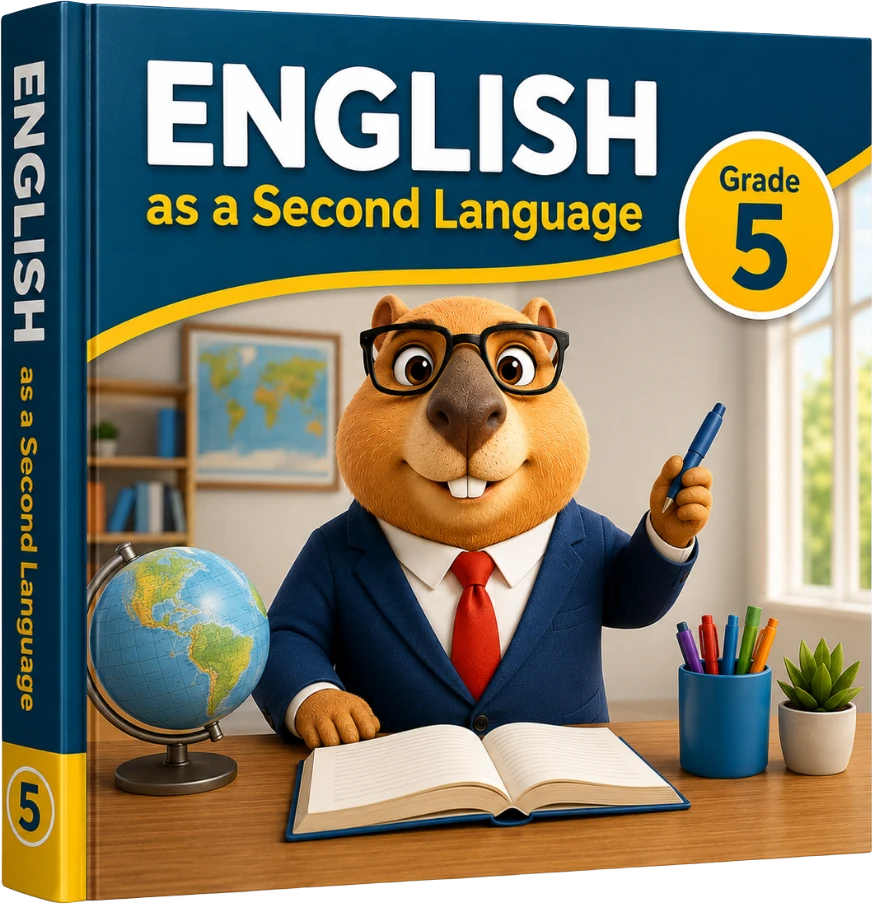
English as a Second Language
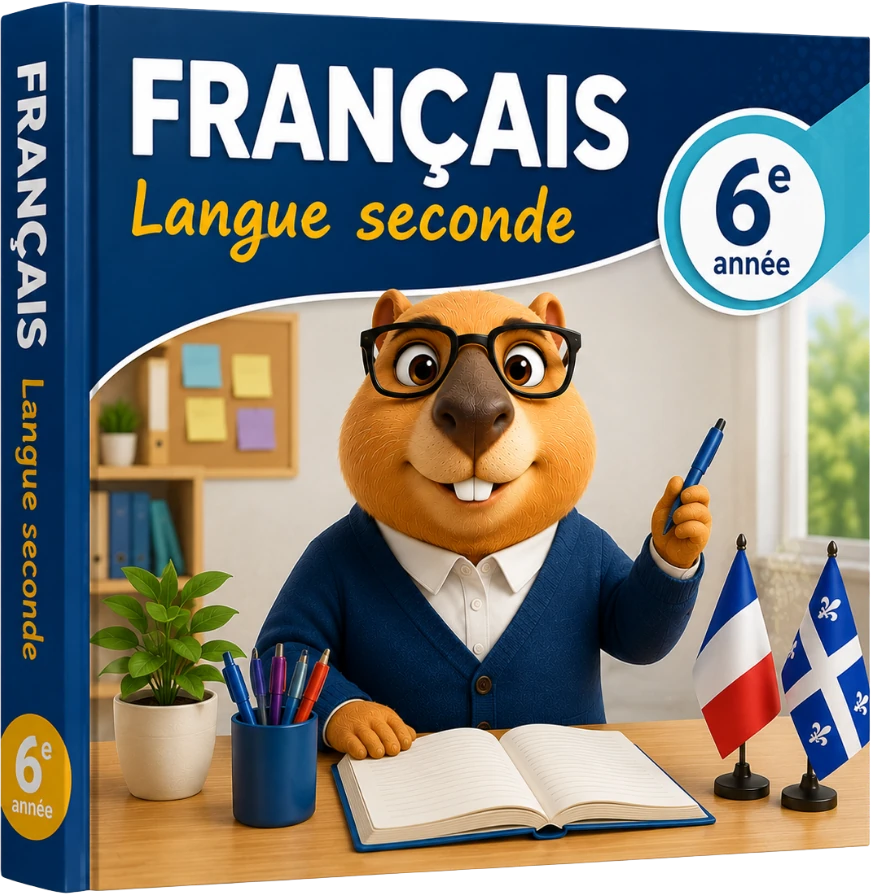
French, Language & Identity
Civics & Citizenship
Other Languages
Written
Each title is co-developed with a teacher network in the region. Same syllabus the students will be tested on, in the language they actually speak in class. If a Capyo book ships in a country, a teacher from that country wrote it.
Printed
We hand the print file to local print shops for free. They run the job on their existing presses, on their schedule. No shipping, no customs, no central plant. If you can print a wedding program in town, you can print a Capyo textbook.
Sold & reinvested
A bookstore, a stationery shop, a market stall. We pass the file to neighborhood retailers free of charge. They print or stock, set a fair price for the community, and keep the margin. Every book is a paying job in the country it is sold in.
Built by educators, printed by neighbors, paid forward.
Jobs & economy
A textbook in a Capyo classroom is not only a textbook. It is a paid print run at a local shop, a seasonal product on a neighborhood retailer's shelf, a royalty for the local educator who wrote it, and a margin that stays in the community. We give the files free, and three small businesses get to earn from each title.
$0
Licensing fee to local print shops and retailers. We hand over the file. They keep what they earn.
100%
Of the margin stays with the print shop and the retailer. No central distributor takes a cut.
3hands
Earn from every title. The local print shop, the neighborhood retailer, and the educator who co-wrote it.
The pair
If a school runs the Capyo platform, the textbook becomes its offline edition. Same syllabus, same dialect, same teacher voice. If a school does not have the platform, the textbook still stands on its own.
The book is the print version of every unit on screen. Students can move between page and tablet without skipping a line.
The textbook still teaches the full course. Power outage, dead battery, laptop at home with a sibling: it doesn't matter.
We give print files free to local businesses in every country we ship to. The form goes straight to a founder. Tell us where you are and what you can do, and we will route you to the right person on the team.