About Capyo

Last-mile learning infrastructure, built in Montréal.

We believe everyone deserves access to quality education.

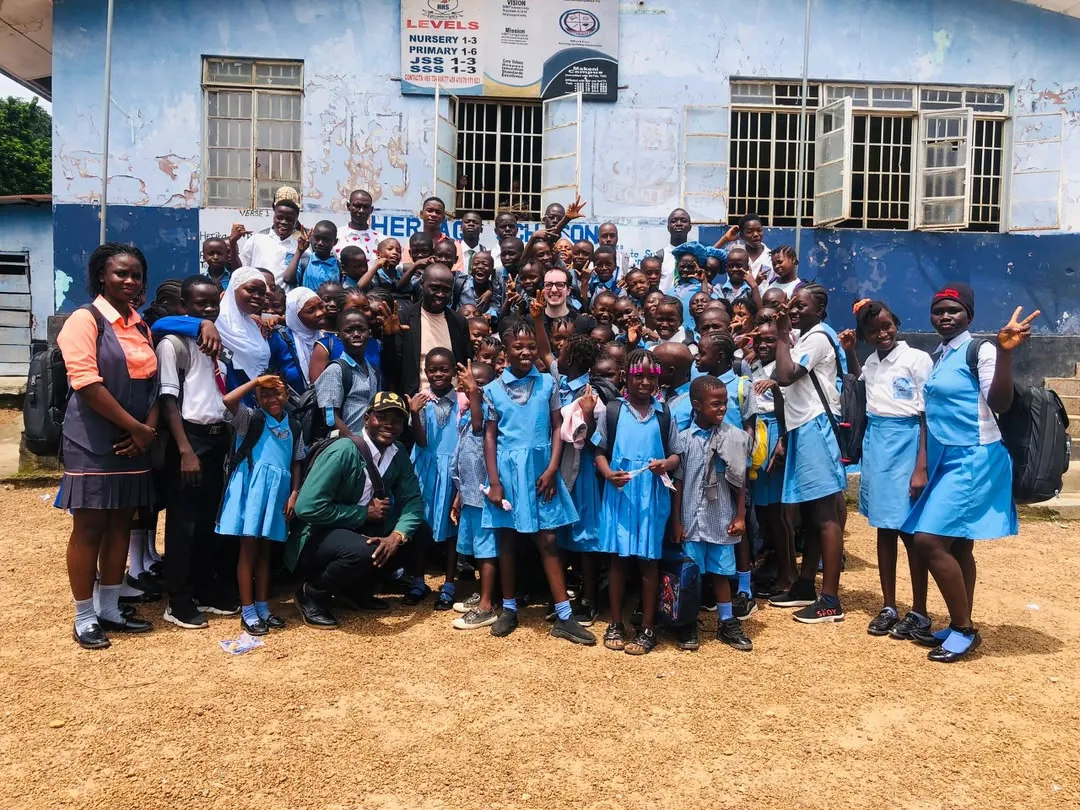
Max standing with a group of students and their teachers outside a partner school

The realities

A classroom needs more than equipment.

Equipment, connectivity, teaching material, and local support need to work together. Here are the gaps we plan for.

What a classroom needs What we plan together
Usable equipment Devices that teachers and students know how to use. Equipment & onboarding Devices, teaching tools, and teacher onboarding planned as one deployment.
Relevant teaching material Material that fits the syllabus and language of instruction. Review with local educators Review the syllabus, teaching language, and any required approvals before rollout.
Ongoing support A clear contact and a support plan after the classroom opens. Local coordination Agree responsibilities, a local lead, and a calendar for support and follow-up.
Power & connectivity Reliable power and internet for the learning tools a school chooses. Infrastructure to fit the site Plan power, connectivity, and devices around what is already available at the site.

0M

More teachers needed by 2030 (UNESCO)

We need more teachers. Not fewer.

Capyo gives the teacher more ways to support the room: curriculum tools, guided student practice, and a clearer view of learner progress. The educator decides what to teach and how to follow up.

The software behind the classroom

Built around the teacher.
Ready for the next question.

Capyo brings teacher preparation, student practice, and school oversight together. Teachers organize the curriculum and review work. Students get a subject coach and varied ways to practise. School leaders manage access and follow learning activity.

Explore the platform →
· Silent demo · Sample school

Ask a question in the subject coach and read its response. The wait for generation is omitted.

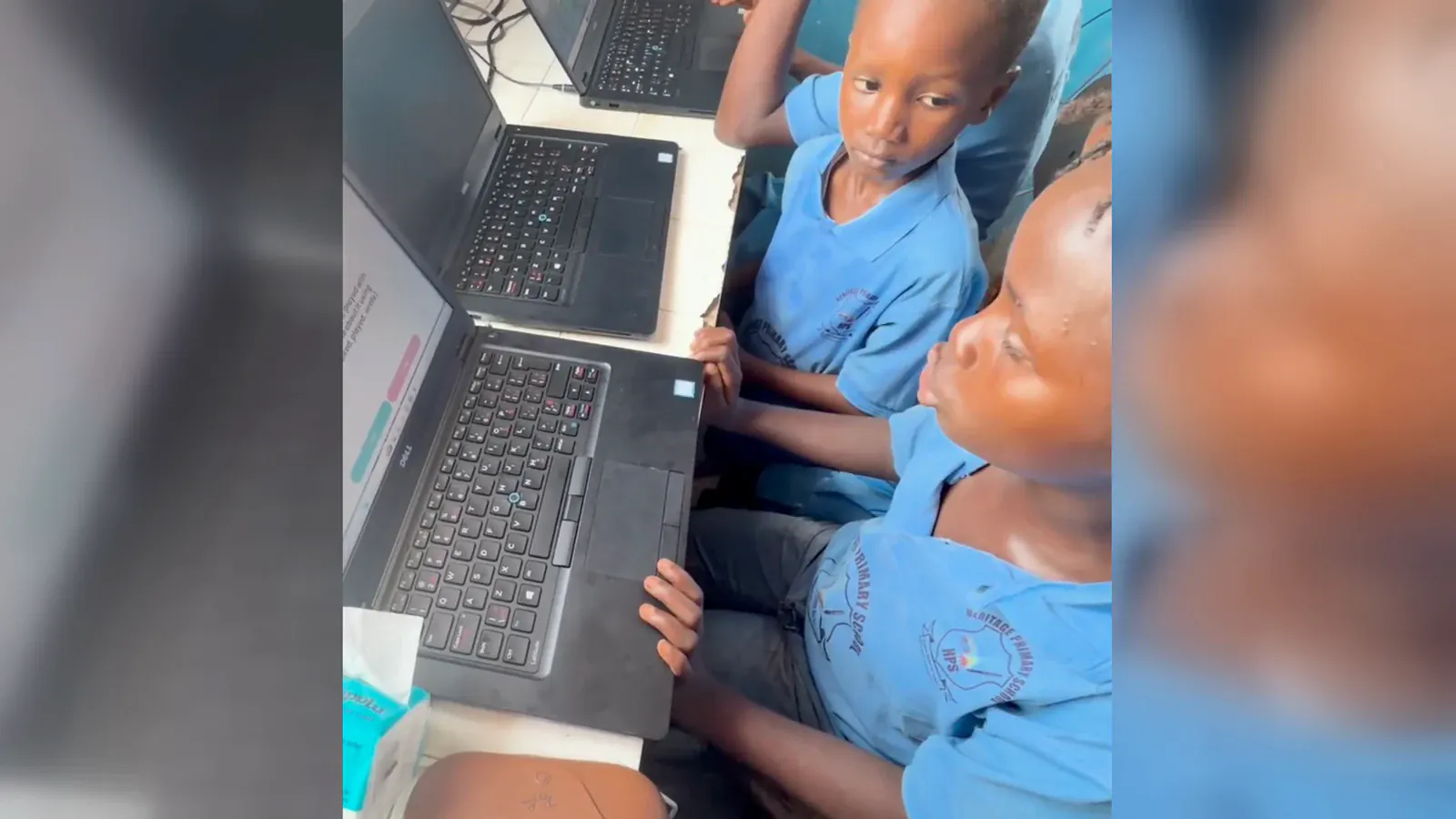
Watch the film Inside a deployed classroom

A letter from the founders

On what we are building.

Montréal · 2026 ≈ 2 minute read
To the reader

The effort that has gone into reaching the world's most underserved students is extraordinary. For decades, governments, foundations, and teachers have given enormous time, money, and heart to it, and they have changed countless lives doing so. We have nothing but respect for that work. It is the ground everything else, us included, gets to stand on.

Spending time in these communities, what struck us was not how little has been done, but how hard it is for progress to take root and last when a place cannot yet sustain it on its own. So that is where we put ourselves: not adding one more thing from the outside, but helping a community grow its own. The teachers who go on to teach their neighbors. The doctors who stay and care for their towns. The people who, given the right tools, carry their communities forward from the inside.

We wanted to take what the field has already learned and help it reach further. So we built Capyo as a complete classroom a community can stand up in weeks and then run on its own, simple enough to bring almost anywhere, and made so each place can keep going long after we have moved on.

We move with urgency, because children grow up while the right plans are still being written. We would rather get something real into a community and keep improving it, alongside the people who know it best, than wait for something flawless.

And when it works, it compounds. The strongest students become the next teachers. A place that could train a few can train many. In time, a community grows its own teachers, its own doctors, its own builders, and needs us less and less. That is the whole point.

We try to hold ourselves to what truly matters. Not attention or polish, but whether children can read, whether they can do the math, and whether, years on, more of them are teaching, healing, and building the places they are from.

We are still early, and grateful, to everyone who believed before there was much to show, and to the people who have done this work far longer than we have and teach us constantly. But our belief is simple: every community already holds the people who can grow its future. We just want to help put the tools in their hands.

We are in this for the long haul, and we would love for you to join us.

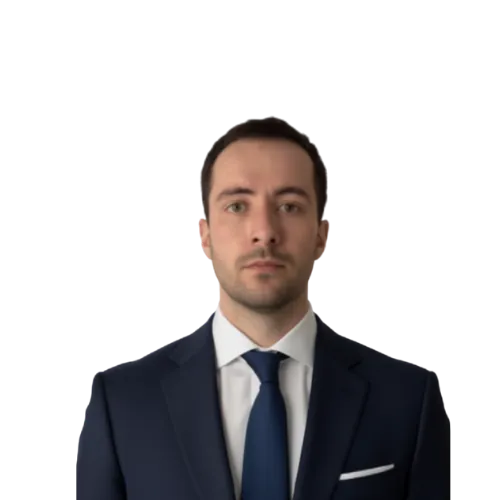
Max Brie & Ted Peterson

Co-founders, Capyo
From the field

Learn more about our deployments.

Filmed in a deployed Capyo classroom, Sierra Leone.

What we believe about learning

Give students a reason
to try again.

A lesson, a practice set, a game, a question to the subject coach. Capyo gives students several ways to work with the material while teachers keep the learning goals in view.

Schools can enable games and rewards, including achievements and avatar customization. The aim is sustained practice; learning gains need to be measured in each classroom.

See student practice →

How we work

Three principles we don't compromise on.

Not slogans on a wall. The three rules that decide what we build, how it ships, and what we refuse to do.

  1. Responsible AI, by default.

    Teachers configure the subject coach’s approach and class context. School leaders manage which features students can access. AI responses still need educational judgment.

  2. Built to scale.

    Every classroom ships as one repeatable unit. The unit doesn't change. The cost doesn't surprise.

  3. We listen before we ship.

    We plan with local educators and review the syllabus, language needs, and required approvals for each deployment.

The people

Two co-founders, a director, and one conviction.

Where a child is born should never decide the classroom they get. A small, technical team out of Montréal, backed by veteran educators, built around that belief. We code, we ship, and we are there when it reaches the classroom.

  1. Max Brie Max Brie Co-founder · CEO Partnerships and deployments. Works with the ministries and head teachers who decide what a school actually needs.
  2. Ted Peterson Ted Peterson Co-founder · CTO The platform itself. Builds the tutor, the teacher dashboards, and the systems that keep school data where it belongs.
  3. Drew Hamilton Drew Hamilton Director · Cybersecurity Security. Hardens the platform and the devices it runs on, for classrooms with no IT staff to call.

A small team that plans, builds, and supports every deployment together.

Pedagogy

Veteraneducators

Classroom & curriculum experience shaping how we deploy.

Teachers and curriculum specialists who have run real classrooms.

Experience

Workingclassrooms

Advisors who have taught where resources are thin.

Experience from schools that work with what they have.

On the ground

A local liaison in every city we operate.

Capyo does not deploy without one. Each container, each classroom, each cycle is led by someone who lives where the work happens. Same street. Same school. They open the doors. They keep them open.

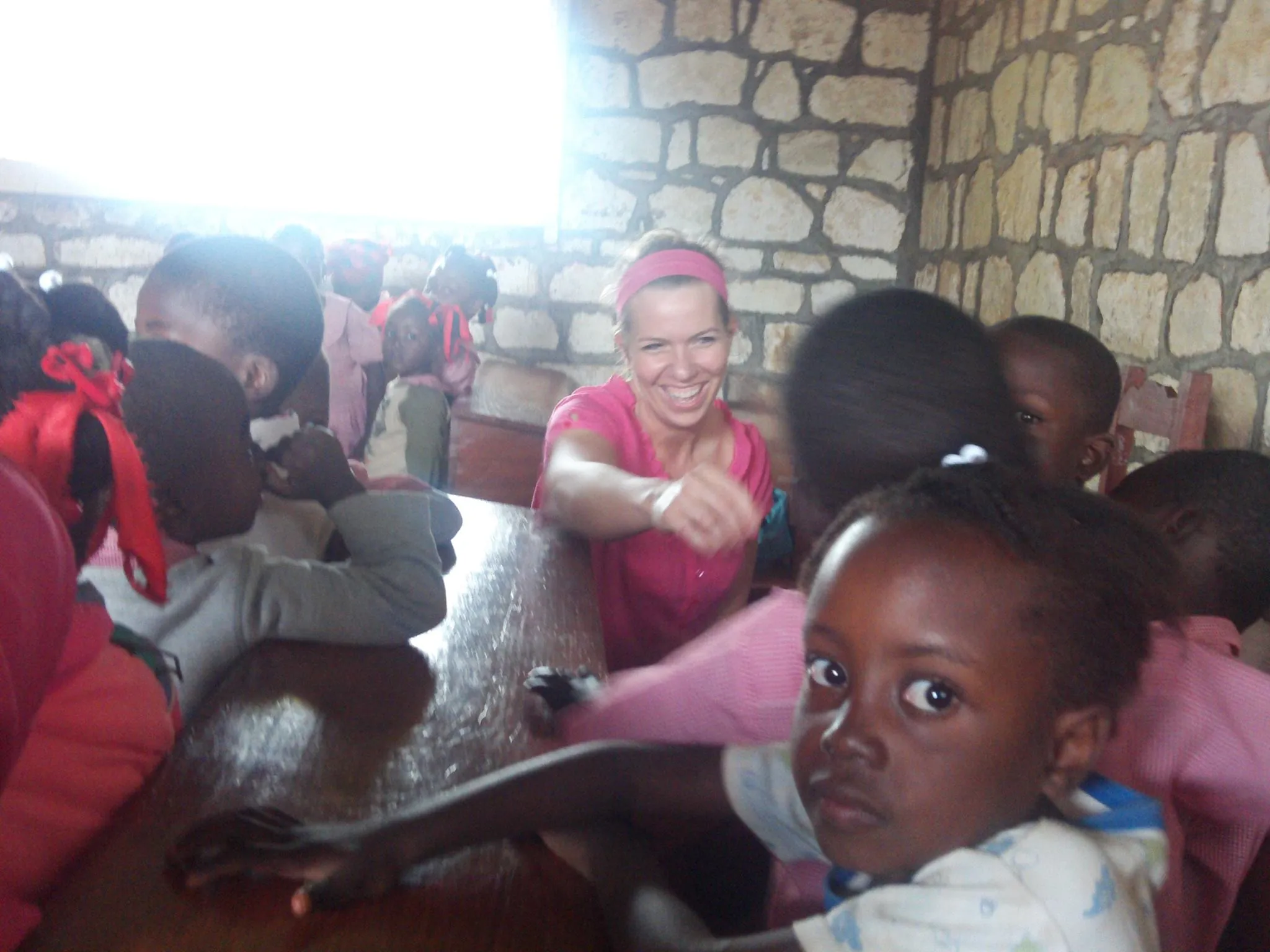
Jayme Sinclair sitting and working alongside a group of children at a partner program
Port-de-Paix, Haiti Jayme & the students at Reach Out La Fond
Port-de-Paix · Haiti

Jayme Sinclair

Director · Reach Out La Fond, Haiti

Two decades of patient, devoted work with children in northern Haiti. The reason the field model exists at all. Jayme is the example. Every city we enter, we enter with someone like her.

If you live and work in education where we deploy, we want to meet you. Liaisons are how Capyo enters. Never consultants we hire after.

Questions

The questions we get asked.

If your question is not here, contact the team. We aim to reply within one business day.

  1. What happens when the internet connection drops?

    Connectivity is part of deployment planning. AI conversations, voice services, and syncing classroom records require an internet connection. Downloaded materials and printed textbooks can support study away from the platform; we agree the available options with each site.

  2. Who pays for the deployment?

    Capyo is a for-profit social enterprise operating under Global Impact Canada's (GIC) Shared Platform. Each container is funded by a mix of partner ministries, philanthropic capital, and revenue from longer-term licensing. Schools and communities never pay out of pocket.

  3. Are you replacing teachers with AI?

    No. Capyo gives educators tools to prepare material, support practice, and review progress. The subject coach can explain and guide, while teachers set the class context and decide how to respond to each learner’s needs.

  4. How long does it take to deploy a classroom?

    From signed agreement to a working classroom is typically eight weeks. The container ships, the local liaison runs site setup, and the first cohort of students starts inside the first month after arrival.

  5. What happens to student data?

    Students, teachers, and school administrators have different access permissions. Capyo uses cloud services to run the platform and its AI features. Our privacy policy explains the data we process, the providers involved, and the controls available.

  6. Does the curriculum match the local ministry?

    We work with educators to review the syllabus and language needs for each deployment. Teachers can organize curriculum and adjust class context. Interface, tutor response, and voice languages are separate settings; we confirm the right combination for the classroom.